
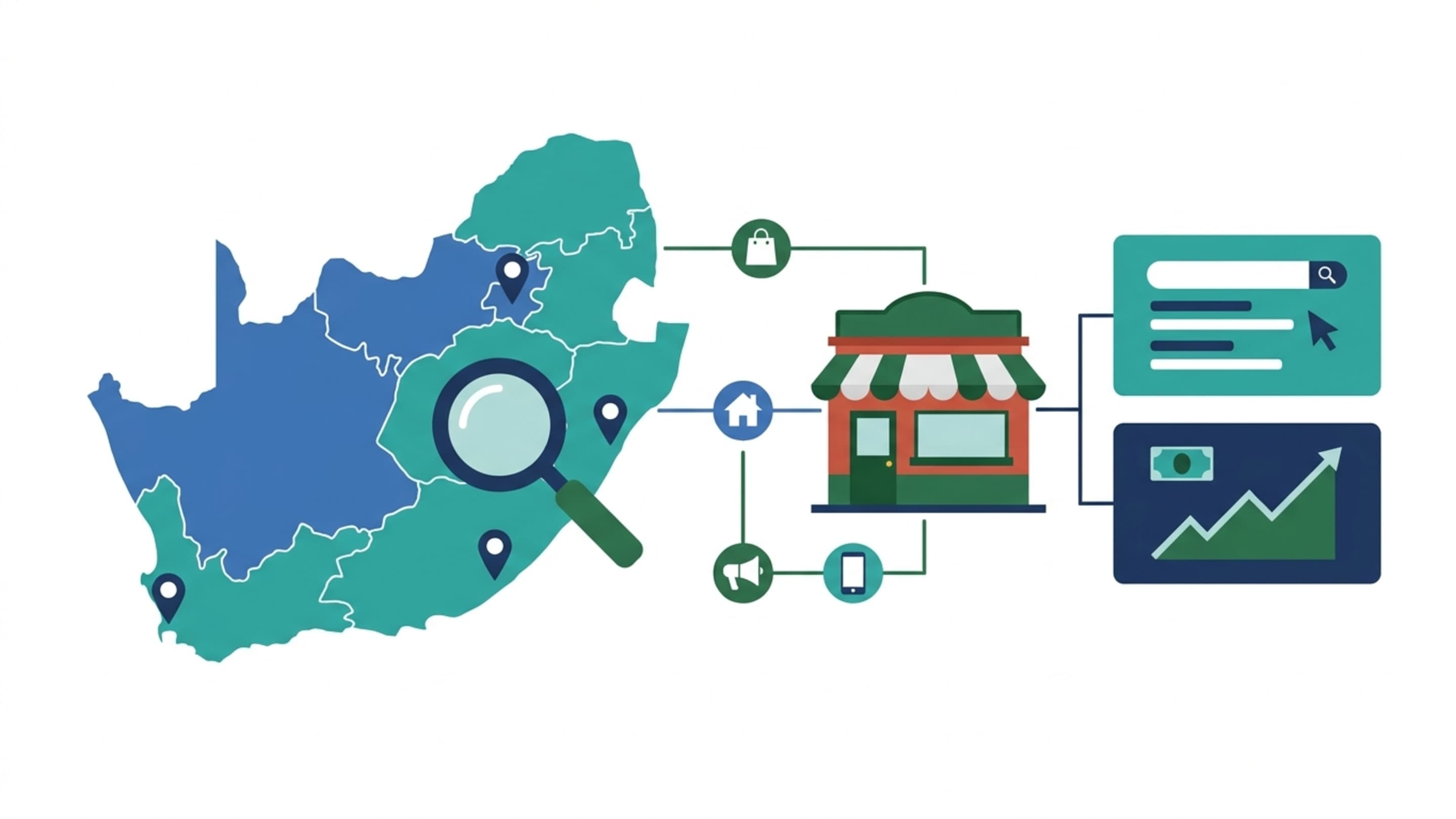
Understanding Google Ads Management Packages
Google Ads management packages are not simply a menu of monthly hours. For growth-focused businesses, they are a way to buy a structured operating system for paid search, Shopping, Performance Max, YouTube, and remarketing. The package should define what gets built, how often the account is reviewed, what testing cadence is in place, and how reporting ties spend to commercial outcomes. That matters because a campaign can look busy while still leaking budget through poor keyword match logic, weak conversion tracking, or creative fatigue.
At Prebo Digital, the strongest packages are built around the realities of the business model, not around a generic set of deliverables. An e-commerce brand on Shopify may need feed optimisation, product segmentation, and margin-aware bidding. A B2B SaaS company may need tighter audience qualification, offline conversion imports, and a longer decision-cycle measurement framework. A marketplace seller may need category-level reporting and a different structure for branded versus non-branded demand. The package changes because the economics change.
A well-scoped package should answer three questions up front: what will be managed, what will be measured, and how quickly decisions will be made.
This is where many businesses misallocate budget. They compare agencies on fee alone, but the real comparison is between levels of analytical depth. A lighter package may only include search term reviews and weekly optimisations. A more advanced package may include server-side tracking coordination, landing page recommendations, audience layering, ad creative testing, and monthly strategy workshops. For companies spending more than ZAR 80,000 a month on media, that difference often determines whether the account grows profitably or merely spends more.
The Importance of Customization in Ad Management
Customization is not a luxury feature; it is the difference between an account that reflects your funnel and one that reflects someone else’s template. Google Ads campaign management behaves differently depending on product mix, average order value, lead quality requirements, geographic reach, and seasonal volatility. A package that ignores those variables will usually overspend in some areas and underinvest in others.
For example, if a Johannesburg retailer sells premium homeware, the package should prioritise conversion value, margin thresholds, feed quality, and device performance. If a Cape Town SaaS firm sells subscriptions with long sales cycles, the package should prioritise qualified lead volume, demo-booking rate, CRM attribution, and assisted conversion analysis. If the account is running in South Africa but also shipping to the UK and UAE, the package should support market-level separation so that bids, messaging, and budgets can be adjusted independently.
Template-based management often hides opportunity. The more complex your funnel, the more important it is to customise campaign structure, reporting, and bidding logic.
Prebo Digital’s approach is shaped by performance marketing rather than vanity metrics. That means the package should be aligned to revenue, CAC, MER, and conversion rate, not just clicks. A useful package can also evolve. A business may begin with search-only coverage and later expand into Shopping, YouTube, or Demand Gen once the data is stable and the landing pages are converting predictably. Customisation allows the account to mature without forcing a full rebuild every quarter.
Key Components of Effective Packages
An effective Google Ads package usually contains five non-negotiable components: account architecture, tracking integrity, keyword and audience strategy, creative and landing page guidance, and reporting that supports decision-making. If one of these is missing, the package may still produce activity, but it will not consistently produce scalable performance.
| Component | What it should cover | Why it matters |
|---|---|---|
| Account architecture | Campaign structure, naming, budget split, device and location logic | Prevents overlap, simplifies optimisation, and improves query control |
| Tracking integrity | GA4, conversion actions, enhanced conversions, offline imports | Ensures bids are based on real outcomes rather than noisy signals |
| Audience and keyword strategy | Match type strategy, negatives, remarketing, customer lists | Improves query quality and reduces wasted spend |
| Creative and landing page support | Ad copy tests, offer framing, page-speed and conversion recommendations | Lifts conversion rate and helps every click work harder |
| Reporting and insights | Weekly summaries, monthly business reviews, trend commentary | Turns platform data into decisions a marketing team can act on |
The reporting layer is often underpriced and undervalued. A serious package should not stop at platform screenshots. It should explain why branded search is growing faster than generic, whether a CPA increase is seasonal or structural, and which campaigns are creating incremental revenue versus merely capturing existing demand. That is exactly the kind of clarity that Prebo Digital’s reporting approach is designed to support, especially for teams that need to present spend rationale to leadership.
Core components that separate a scalable package from a basic management retainer
How Performance-Based Pricing Works
Performance-based pricing sounds simple, but in practice it needs careful structure. A package can include a base management fee plus a performance component tied to agreed milestones, such as conversion volume, revenue bands, or qualified lead thresholds. The point is not to make fees unpredictable; the point is to align incentives so that the agency is rewarded when the campaign is delivering real commercial progress.
In South Africa, many brands compare management models in ZAR terms and want clarity on what they are buying. A fixed-fee package may be easiest for forecasting, while a hybrid package can make sense for larger accounts where the work expands with spend. For example, an account spending ZAR 150,000 per month may justify deeper testing, more frequent analysis, and more senior involvement than an account spending ZAR 30,000. The service model should reflect that operational reality.
Google Ads itself does not force a pricing model, so the agency’s commercial structure becomes part of the service design. A strong contract will define performance inputs carefully: which conversions count, how attribution is handled, whether returns are measured on revenue or gross profit, and how seasonality is treated. Without that detail, a performance fee can encourage the wrong behaviour, such as chasing low-quality conversions just to meet a target.
The cleanest performance model is one that rewards qualified growth, not raw lead volume. That keeps the account aligned with CAC and lifetime value.
Case Studies: Successful Implementations
A tailored package usually shows its value most clearly when a business has outgrown generalist management. Consider a mid-sized Shopify store selling skincare across South Africa and the UK. The previous setup relied on one Search campaign and a broad Shopping structure, but margin data was not reflected in bidding. After restructuring the account around high-margin hero SKUs, separating branded demand, and tightening the reporting view to revenue by market, the team gained much clearer control over spend allocation. The practical win was not just better traffic quality; it was better decision-making for inventory and promotions.
Another useful example is a B2B SaaS company generating demo requests. The original account produced many leads, but sales complained about poor fit. A customised package shifted emphasis to conversion quality: form completion rates, CRM stage progression, and lead-source segmentation. By excluding low-intent queries and refining messaging around use case and company size, the account became more efficient even though raw lead count was lower. That is the kind of trade-off a serious package should help a business make with confidence.
For a marketplace seller, the value may come from separating product families and building reporting around category contribution rather than blended account averages. That makes it easier to see which lines deserve scale, which need feed optimisation, and where promotions are eroding margin. In each case, the package works because it adapts to the business model instead of forcing the business to adapt to the package.
Choosing the Right Package for Your Business
The right Google Ads package is the one that matches your sales cycle, your internal team maturity, and the amount of decision support you need. A business with an experienced in-house performance marketer may only need specialist execution in bidding, tracking, and feed management. A founder-led company may need a broader package that includes strategic planning, landing page feedback, and clearer monthly reporting. The wrong choice is usually the one that looks inexpensive at first but leaves gaps in measurement or optimisation.
If your business is spending under roughly ZAR 40,000 a month, a leaner package can make sense if the scope is focused and the conversion path is simple. If you are spending between ZAR 40,000 and ZAR 150,000, you typically need more than basic campaign upkeep: you need structured testing, regular search term analysis, and conversion-path review. If you are above that range, the package should almost certainly include deeper reporting, multi-market segmentation, and stronger coordination with landing pages and analytics.
| Business profile | Recommended package focus | Why this fits |
|---|---|---|
| E-commerce store with 20+ SKUs | Feed optimisation, margin-based bidding, Shopping and remarketing | Needs product-level control and revenue visibility |
| B2B SaaS with long sales cycles | Lead quality tracking, CRM integration, search + remarketing | Needs qualification, not just form fills |
| Founder-led service business | Strategy support, tightly managed search campaigns, reporting clarity | Needs guidance and a simple decision framework |
Prebo Digital’s model is well suited to businesses that want collaboration rather than a black-box vendor. That matters because package selection should not be based only on platform type; it should also reflect how much strategic input your internal team wants. If your marketing director wants monthly business reviews, the package should include that. If your sales team needs lead-quality feedback loops, the package should include CRM visibility. If the business is preparing to enter the UK or Middle East, the package should support multi-region segmentation and different ad schedules.
When comparing packages, ask what is excluded as carefully as what is included. Exclusions often reveal whether the service is truly strategic or only tactical.
Essential Metrics for Evaluating Package Effectiveness
A package should be judged on metrics that reflect business health, not just platform activity. Clicks, impressions, and even CTR are useful diagnostics, but they do not tell you whether spend is creating value. The most useful metrics are the ones that connect ad performance to revenue, margin, and sales efficiency.
For e-commerce, look at revenue, conversion rate, cost per purchase, returning customer rate, and blended MER. For lead generation, focus on qualified conversion rate, cost per qualified lead, opportunity rate, and pipeline contribution. For SaaS, pay close attention to trial-to-paid rate, demo-to-opportunity rate, and time to conversion. In every case, compare platform-reported results with analytics and CRM data to understand attribution gaps.
| Metric | What it reveals | Common pitfall |
|---|---|---|
| Conversion rate | Whether traffic and landing pages are persuasive | Ignoring device and audience segmentation |
| CPA / CPL | How efficiently spend is turning into outcomes | Treating all conversions as equal quality |
| ROAS / MER | Revenue efficiency at campaign and blended level | Over-trusting platform attribution |
| Qualified lead rate | Sales relevance of generated demand | Optimising for form fills only |
| Search term quality | How tightly intent matches your offer | Running broad queries without strong negatives |
A strong package makes these metrics visible in a way the business can use. Prebo Digital’s custom reporting approach is useful here because it connects paid media numbers with broader business decisions, which is especially important when leadership wants to know whether rising spend is creating incremental growth or simply buying back existing demand. If a package does not explain that clearly, it is leaving too much judgment to assumption.
The Role of Continuous Optimization in Your Package
Continuous optimisation is the engine that makes a package valuable after launch. Google Ads campaign management is not a set-and-forget channel because competition shifts, search intent changes, creative wears out, and landing pages degrade over time. A package should therefore include a defined rhythm for search term cleanup, bid review, asset testing, budget reallocation, and insight synthesis.
In practical terms, this means weekly monitoring of query quality and spend concentration, bi-weekly or monthly creative testing, and monthly strategic review against business goals. For accounts with enough volume, it may also include experiment design for bidding, landing pages, or audience segments. The key is not how often changes are made; it is whether each change is tied to a hypothesis and measured against a meaningful outcome.
Optimisation without a testing hypothesis often creates noise. Good packages make every change traceable to a reason and a result.
This is also where clean data pipelines matter. If conversion tracking breaks, consent settings are misconfigured, or offline sales are not imported, the optimisation loop becomes unreliable. A serious package should therefore include checks for tracking continuity, especially for businesses using GA4, server-side tagging, CRM integration, or consent-managed websites. Without that foundation, even smart bidding systems can be trained on incomplete data.
Future Trends in Google Ads Management Packages
The next generation of packages is moving toward broader measurement, more automation-supported workflows, and better integration between media, analytics, and revenue systems. This is partly because Google Ads has become more automated, but also because marketing teams need clearer proof of incrementality. As privacy changes continue, packages will increasingly need to support consent-aware measurement, server-side tracking, enhanced conversions, and CRM-based attribution.
Another trend is the shift from campaign-only management to full-funnel support. That means ad packages increasingly intersect with landing page optimisation, offer testing, email follow-up, and even sales process alignment. For example, a lead generation package may need to coordinate with HubSpot or another CRM so that lead quality feedback can be used to refine bidding. An e-commerce package may need to work alongside Klaviyo flows and onsite CRO to improve lifetime value rather than chasing first-order efficiency only.
Packages that integrate media, analytics, and CRO are better positioned for the privacy-first measurement environment emerging across major ad platforms.
Final Thoughts: Maximizing Your Google Ads Investment
The most effective Google Ads management packages are built around business reality, not internal convenience. They match the complexity of your funnel, the maturity of your data, and the level of commercial accountability your team expects. If a package cannot explain how it improves revenue quality, attribution clarity, and decision speed, it is not doing enough work for a business that wants to scale responsibly.
For South African businesses and regional brands operating across multiple markets, the right package should make spend easier to govern, not harder. It should give you a clearer view of what is working, where the waste is, and how to scale without losing control of margin or lead quality. That is the standard Prebo Digital applies when structuring Google Ads management, especially for teams that want a collaborative partner rather than a generic executor.
If you are evaluating packages now, focus on scope, reporting depth, optimisation cadence, and how performance is defined. Those four elements will tell you far more about the likely outcome than a low monthly fee ever will.