How to Budget for a Website in 2026: A Step-by-Step Guide for South African Businesses
If you're a South African SME owner looking to launch or revamp your website in 2026, a solid budget is your foundation. This step-by-step guide walks you through assessing your needs, calculating total cost of ownership, allocating funds, and avoiding common pitfalls. For a full overview of pricing ranges, check out our comprehensive web design pricing guide. Here we dive deeper into the budgeting process tailored for South African businesses.
Step 1: Assess Your Business Needs
Before you open your wallet, define what your website must achieve. Are you generating leads, selling products, or showcasing a portfolio? Your goals dictate essential features. For example, an e-commerce site requires a payment gateway and product management, while a brochure site needs only basic contact forms. According to Symaxx's 2026 market analysis, basic landing pages in South Africa range from R5,000 to R15,000, while custom e-commerce sites start at R25,000. Knowing your must-haves prevents paying for unnecessary functionality.
Consider your target audience: With 50.8 million internet users in South Africa (DigiBannister, 2026), a mobile-first design is non-negotiable. Ensure your budget covers responsive layouts and fast loading times, as 71% of online shoppers use phones (DigiBannister, 2026).
Step 2: Calculate Total Cost of Ownership (TCO)
Many SMEs focus only on upfront design and development. But a website's true cost includes ongoing expenses. Create a TCO spreadsheet covering:
| Cost Item | One-Time / Recurring | Estimated Range (ZAR) |
|---|---|---|
| Domain registration | Yearly | R100–R300 |
| Web hosting | Monthly | R50–R500 |
| SSL certificate | Yearly | R0–R2,000 |
| Premium plugins/themes | One-off or subscription | R500–R5,000 |
| Content writing (per page) | One-off | R500–R2,000 |
| Ongoing maintenance | Monthly | R500–R5,000 |
| SEO services | Monthly | R2,000–R10,000 |
For a standard 10-page SME site, total first-year TCO can be R20,000–R40,000 excluding marketing. Use these numbers as a baseline for your budget allocation.
Step 3: Allocate Funds Strategically
Divide your budget across key areas. Typically, 40–50% goes to design and development, 20–30% to content and SEO, 10–20% to ongoing maintenance, and 10% to marketing. Resist the urge to splurge on flashy animations if your core need is a secure checkout. Prioritise features that directly support your business goals. For example, a lead-generation site should invest in clear calls-to-action and forms, while an e-commerce site needs robust product filtering and payment integration.
Step 4: Avoid Overspending
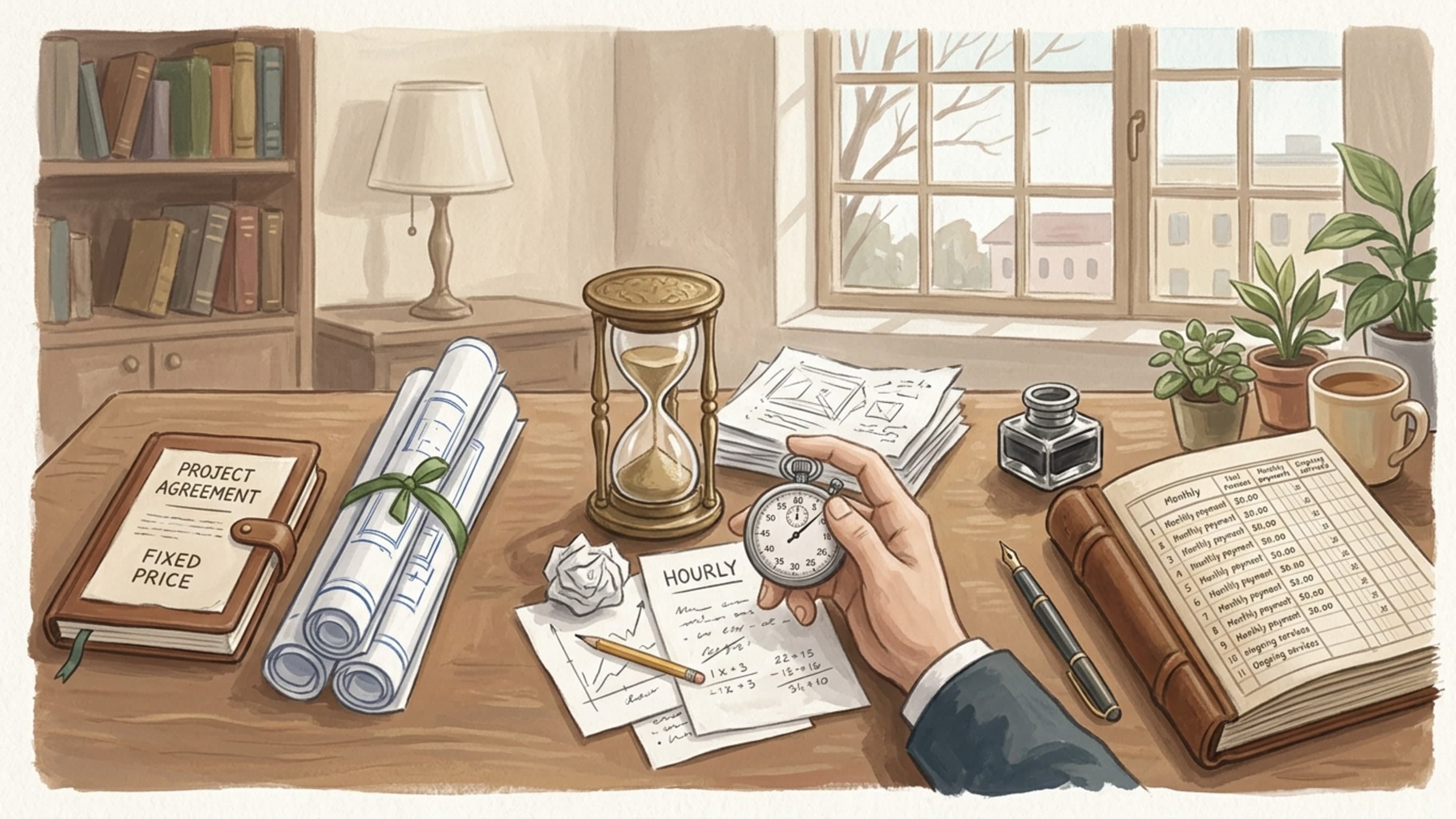
Common budget busters include scope creep, cheap templates that require heavy customisation, and underestimating content creation costs. Stick to a fixed-price contract with a clear scope of work. If you choose a freelancer, ensure they have a contract that includes revision limits and a timeline. For agencies, request a detailed proposal itemising design, development, copy, and testing hours. Avoid paying for custom features you can achieve with off-the-shelf plugins—e.g., a booking system using a WordPress plugin is far cheaper than building from scratch.
Sample Budget Template for an SME Website (2026)
Here's a realistic budget for a 10-page WordPress site with basic e-commerce functionality:
- Design & Development: R15,000 – R25,000
- Content Writing (5 pages): R2,500 – R5,000
- Premium Theme & Plugins: R2,000 – R4,000
- Hosting & Domain (Year 1): R1,200 – R3,600
- SSL Certificate: R0 (free Let's Encrypt) – R500
- Ongoing Maintenance (Year 1): R6,000 – R12,000
- SEO Setup & 3 months: R6,000 – R15,000
- Total Year 1: R32,700 – R65,100
Adjust based on complexity. For a simple brochure site, reduce the development line to R5,000–R10,000 and skip SEO initially.
Negotiating with Designers and Agencies
Don't be afraid to negotiate. Ask for a discount on a combined package (design + hosting + maintenance). Request a free consultation to discuss your needs—many agencies include this. Be transparent about your budget; a good partner will tailor a proposal to fit. Also, consider a phased approach: launch with core features and add extra functionality later when cash flow allows.
Pitfalls to Avoid
Underestimating costs: The cheapest quote often leads to poor performance and expensive fixes. Overlooking maintenance: Without updates, your site becomes vulnerable to security issues. Ignoring SEO: A beautiful site that doesn't appear in search results is a wasted investment. Always allocate budget for ongoing optimisation.
Ready to build your website?
Budgeting is the first step to a successful online presence. Use this guide to create a realistic plan, then partner with a web design team that understands South African market dynamics. Prebo Digital can help you navigate the process—from budgeting to launch. Contact us for a customised quote aligned with your 2026 goals.
Frequently Asked Questions
How much should I budget for a basic website in South Africa in 2026?
For a simple 5-page brochure site, budget between R8,000 and R15,000 for design and development, plus R2,000–R5,000 per year for hosting and domain. Ongoing maintenance adds R500–R2,000 per month.
What is the biggest hidden cost in website budgeting?
Ongoing maintenance and content updates are often overlooked. Many SMEs don't account for monthly retainer fees, which can total R6,000–R24,000 annually. Also, SEO services are a recurring cost that delivers continuous value.
Should I choose a freelancer or an agency for my SME website?
If your budget is under R15,000 and your site is simple, a freelancer may suffice. For e-commerce or sites requiring ongoing support, an agency (R30,000+) offers accountability, a full team, and post-launch reliability. Always check references and portfolios.