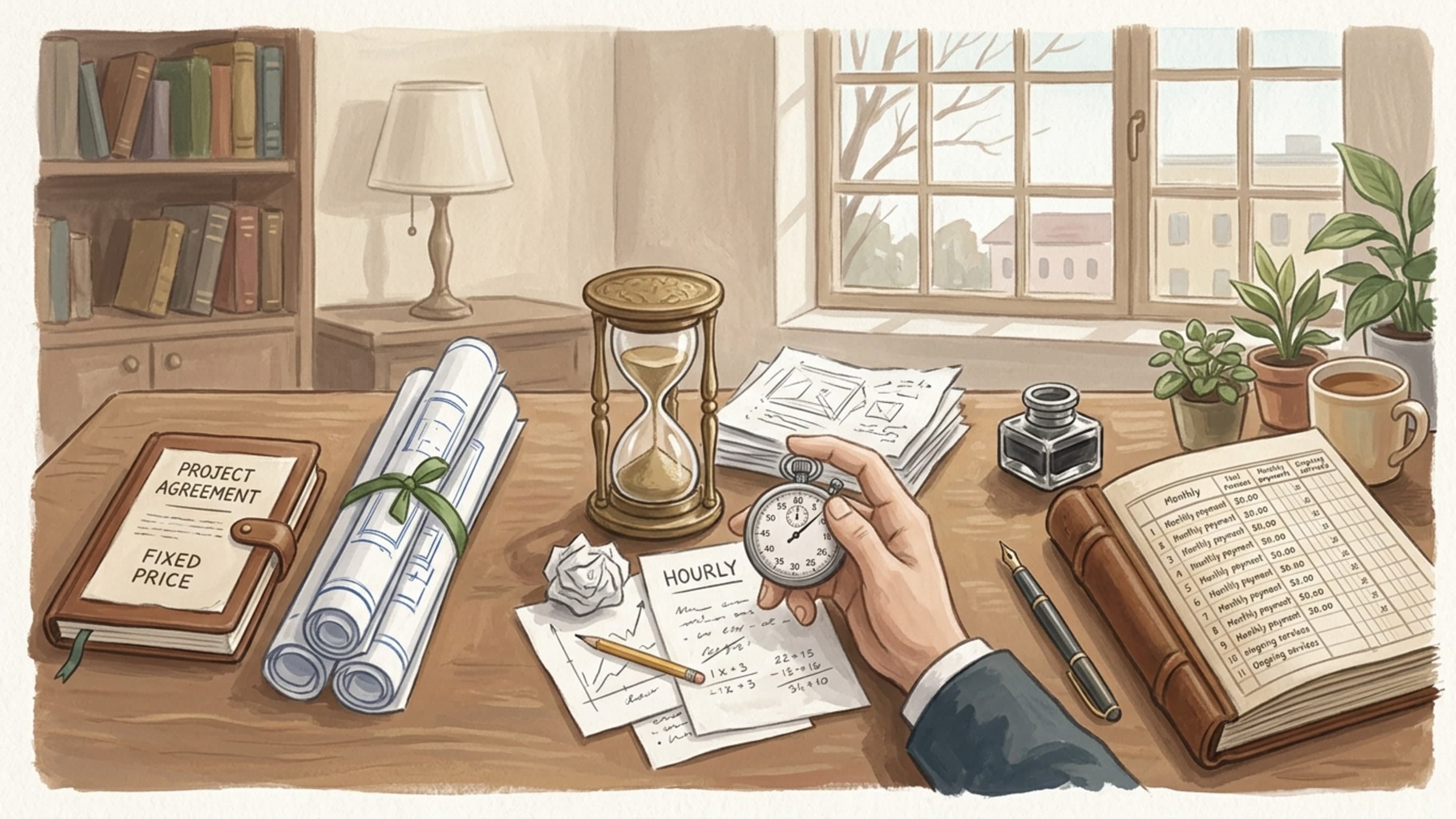

When an outdated site starts costing trust
A business usually does not notice a weak website all at once. It shows up in small but expensive ways: visitors bounce after landing on the homepage, sales teams keep sending prospects back to the same page and apologising for the experience, or customers in South Africa try to pay, book, or enquire on mobile and give up because the journey is clumsy. At that point, the issue is rarely just visual style. It is a signal that the site no longer supports how the business actually sells.
That is where a web design firm becomes more than a layout supplier. The right partner looks at the whole system: positioning, content hierarchy, performance, conversion flow, analytics, and the way people from different markets interpret trust signals. For a Johannesburg-based brand selling across South Africa and into English-speaking markets, a redesign must do more than look modern. It must reduce friction, clarify the offer, and make it easier for the right visitor to take the next step.
A website redesign should be judged by what it helps users do faster: understand the offer, compare options, and complete an action without confusion.
Understanding the role of custom solutions
Custom design is not about adding visual flair for its own sake. It is about building a site around the business model, the sales cycle, and the customer journey. A B2B service company needs different page structures from an e-commerce store; a Shopify brand needs different product and collection logic from a SaaS company; and a multi-location business needs clearer location, contact, and proof points than a single-service consultancy.
Prebo Digital’s broader approach across web development, SEO/AI SEO, conversion rate optimisation, and strategy consulting reflects this principle. The work is not treated as isolated design output. A good build should support search visibility, clean tracking, and iterative improvement after launch. That matters because design decisions affect more than appearance. They influence crawlability, accessibility, load behaviour, and whether GA4, pixels, and server-side tracking can capture meaningful conversion data.
| Business need | Why custom design matters | What to avoid |
|---|---|---|
| Lead generation | Page structure can prioritise enquiry paths, trust cues, and service-specific proof. | Generic homepage sliders with no clear next step. |
| E-commerce | Collection pages, product templates, and checkout journeys can be designed for conversion. | Template-heavy layouts that hide shipping, returns, or payment details. |
| B2B or SaaS | The site can explain complex value propositions in stages, from awareness to demo request. | Overly clever copy that makes the offer harder to understand. |
A custom solution also helps localise the experience without making the site feel parochial. In South Africa, that can mean clearer pricing language, payment method cues, support expectations, and location references that align with how buyers actually assess credibility. For companies serving the UK, Europe, or the Middle East as well, the design system must stay flexible enough to support region-specific messaging without rebuilding the entire site.
If a website template forces your content into awkward boxes, it is usually the wrong starting point for a growth-focused business.
Crafting a playbook for your web design project
The strongest web design projects start with a working brief, not a mood board. A practical playbook begins by defining the business outcome the site must support. That could be qualified leads, higher online revenue, better demo bookings, stronger distributor enquiries, or a more efficient sales process. Once the objective is clear, the rest of the brief becomes much easier to shape.
At the outset, a web design firm should ask how people discover the business, which pages they trust most, where users drop off, and which systems the site must connect to. That may include CRM tools, email platforms, payment gateways, booking tools, or analytics stacks. In Prebo Digital’s model, this is where strategy, build, and reporting start to connect rather than sit in separate silos.
What a useful brief should include
- Primary and secondary business goals, written in plain language.
- Audience types, including buyers, decision-makers, and repeat customers.
- Core page types, such as service pages, landing pages, product pages, or location pages.
- Technical requirements for tracking, integrations, and content management.
- Brand constraints, including tone, visual identity, and regional messaging.
| Project stage | Key question | Decision it informs |
|---|---|---|
| Discovery | What must the site achieve for the business? | Site architecture and page priorities |
| Content planning | What proof and explanations does each audience need? | Messaging hierarchy and page templates |
| Build | How will the site be measured and maintained? | Tracking, integrations, and CMS structure |
Design approvals should happen against those decisions, not against personal preference. That approach prevents the common trap where a site looks polished but fails to support sales. It also gives the development team room to plan for responsive behaviour, fast-loading assets, and a content structure that will still make sense six months after launch.
For businesses that rely on paid media, the playbook should also specify which landing pages will be built for campaign traffic and how those pages will be tested. A web design firm that understands performance marketing will treat those pages differently from the homepage, because users arriving from ads are usually looking for a faster answer, a tighter offer, and less distraction.
The best project briefs are measurable: they define what success looks like before the first wireframe is drawn.