
Understanding the Role of a Google Ads Agency Partner
A Google Ads agency partner is not simply a team that logs into your account and changes bids. In a strong partnership, the agency acts like an extension of your commercial team: it helps you decide which campaigns deserve budget, which products or services should be pushed harder, where your tracking is weak, and how to connect advertising activity to revenue rather than just clicks. That distinction matters because Google Ads can scale spend very quickly, but without strategic input it can also scale inefficiency just as fast.
For Prebo Digital clients, the most valuable role of an agency partner is to translate business goals into campaign structure. A SaaS company may need qualified demo bookings, not generic leads. A Shopify or WooCommerce store may need profitable new customer acquisition while protecting margin. A B2B service business may need fewer but higher-value enquiries from decision-makers. These are different outcomes, and they require different keyword strategies, audiences, landing pages, conversion actions, and reporting layers.
The right partner focuses on commercial outcomes first, then uses campaign mechanics to support them. That usually means cleaner attribution, tighter funnel control, and better budget allocation over time.
Prebo Digital’s model is built around performance-led decision-making. Founded in Johannesburg in 2016, the agency works across Google Ads, social media advertising, Amazon marketing, SEO/AI SEO, CRO, web development, and strategy consulting. That cross-functional setup matters because a Google Ads account rarely fails for only one reason. Weak conversion tracking, a slow landing page, poor offer positioning, or an unfocused funnel can all distort results. A true agency partner sees the whole system.
In practical terms, agency partnership should reduce the internal burden on your team. Instead of spending hours pulling platform reports or arguing over what a lead is worth, your team should get a clear operating rhythm: strategy review, campaign testing, conversion analysis, and budget decisions backed by data. That is especially useful for companies spending above the entry-level threshold where even small gains in CPA or conversion rate can produce meaningful monthly savings.
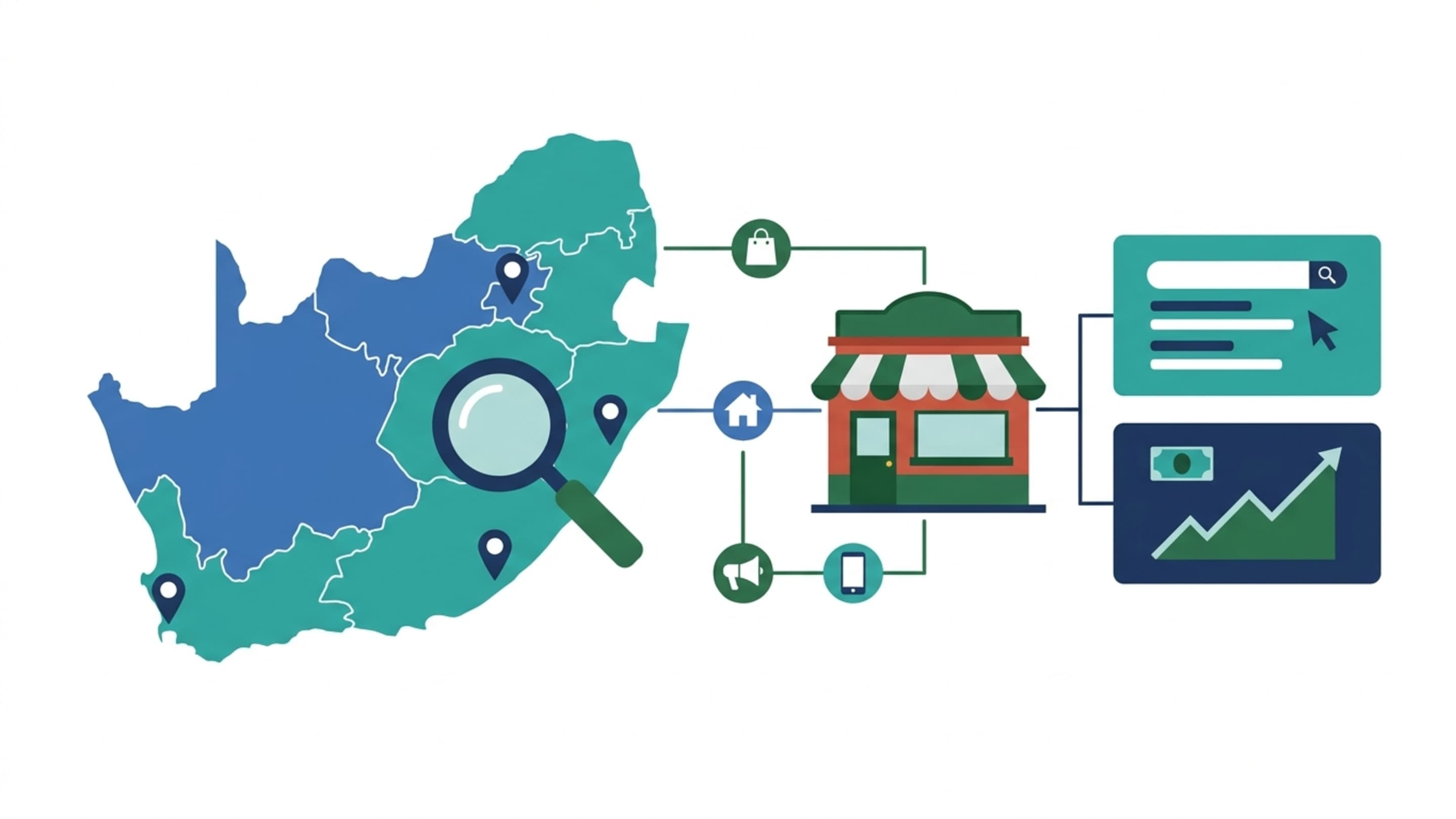
Google Ads works best when media, tracking, and landing pages are managed together.
The Importance of Strategic Alignment
Strategic alignment is the difference between a campaign that gets busy and a campaign that drives the right growth. Many businesses begin with vague objectives such as “more leads” or “more sales,” but a good partner will force precision. What counts as a qualified lead? What is the target CAC? Which products carry enough margin to support paid acquisition? Which markets deserve priority if you are trading across South Africa, the UK, or the Middle East?
At Prebo Digital, alignment starts before any campaign goes live. The team needs to understand your unit economics, seasonal patterns, sales cycle length, CRM workflow, and business constraints. That might sound slower than launching quickly, but it usually prevents the common mistake of optimising to the wrong success metric. For example, if a business measures leads only by form submissions, it may celebrate volume while the sales team filters out poor-fit prospects. If the business measures revenue contribution, the campaign structure changes: search terms tighten, landing pages become more specific, and remarketing supports deeper funnel stages.
| Business goal | Agency priority | Common mistake |
|---|---|---|
| E-commerce profit growth | Margin-aware bidding and product prioritisation | Optimising to revenue only, ignoring profitability |
| B2B lead generation | Qualified lead volume and pipeline quality | Counting every enquiry as equal |
| SaaS growth | Trial-to-paid or demo-to-close performance | Stopping at click-through rate |
Alignment also affects reporting cadence. A weak partner sends platform screenshots and vanity metrics. A strong one explains the connection between spend, conversion quality, and downstream revenue. That is where Prebo Digital’s custom reporting approach becomes relevant: it helps separate what Google Ads claims from what the business actually books in the CRM or e-commerce platform. In markets where attribution is increasingly fragmented, that clarity is a competitive advantage.
If an agency cannot explain how it defines success in relation to your margin, pipeline, or LTV, the relationship is likely to drift toward activity instead of outcomes.
Leveraging Data for Performance Tracking
Performance tracking is where many partnerships either become genuinely useful or fall apart. Google Ads data alone is not enough to manage a serious account. You need clean conversion definitions, accurate source tracking, platform and analytics alignment, and enough context to interpret trends. Otherwise, you are making decisions based on incomplete signals.
A reliable partner will usually check the full measurement chain: tag implementation, GA4 events, enhanced conversions where applicable, form thank-you pages or event triggers, CRM handoff, and offline conversion imports for businesses with longer sales cycles. For South African businesses, privacy and consent settings also matter because POPIA and cookie consent rules can affect how much user-level data is captured. The goal is not to collect everything; it is to collect the right data in a way that supports compliant decision-making.
When tracking is set up properly, your agency can analyse conversion rate, CPA, MER, and lead quality together instead of treating them as unrelated metrics.
Data also helps the agency decide where to test. Search campaigns often reveal purchase or enquiry intent at the bottom of the funnel, while Performance Max, YouTube, or display may support reach and assisted conversions. The right partner does not force every channel to do the same job. Instead, it uses each format according to the role it plays in the funnel. That thinking is especially important for businesses with meaningful budgets, because a budget spread too thinly across the wrong campaign types can make performance noisy and hard to diagnose.
One useful way to think about the data stack is this: platform reports show platform behaviour, analytics shows on-site behaviour, and CRM or backend data shows business value. If those layers disagree, the agency has work to do. Prebo Digital’s approach is built around that kind of reconciliation, because accurate attribution typically leads to better budget allocation than chasing the highest reported ROAS inside a single channel.
Tailored Campaigns for Industry-Specific Needs
Tailored campaigns are not just about changing ad copy. They involve choosing the right account structure, creative angle, bidding logic, audience layering, and landing page message for the industry you operate in. A generic Google Ads setup often fails because it assumes all buyers behave the same way. In reality, a warehouse supply buyer, a SaaS procurement manager, and a fashion shopper move through the funnel very differently.
For e-commerce, tailored campaigns often mean separating hero products, seasonal sellers, and margin-sensitive SKUs so budget can be prioritised intelligently. For B2B and SaaS, it may mean running high-intent search campaigns alongside remarketing and content-assisted funnels that build credibility before the lead form is submitted. For marketplace or Amazon-led businesses, the logic shifts again, with emphasis on product visibility, keyword coverage, and conversion rate at the listing level.
The value of tailoring is that it reduces waste. A law firm does not need the same ad structure as a supplement brand. A Shopify store selling repeat-purchase consumables should not be managed with the same playbook as a one-off industrial service. A skilled agency partner builds around those differences instead of hiding them under a universal template.
| Industry | What to tailor | Why it matters |
|---|---|---|
| E-commerce | Product feed, margin, offer structure | Protects profitability while scaling volume |
| B2B services | Lead qualification, landing page proof points | Improves lead quality and sales efficiency |
| SaaS | Trial or demo pathway, audience intent | Supports higher downstream conversion |
This is also where collaboration matters. The agency brings market patterns, testing discipline, and platform expertise; the client brings product knowledge, margin context, and commercial priorities. When both sides contribute, the campaign becomes more than a media buy. It becomes a growth system designed around how your customers actually buy.