
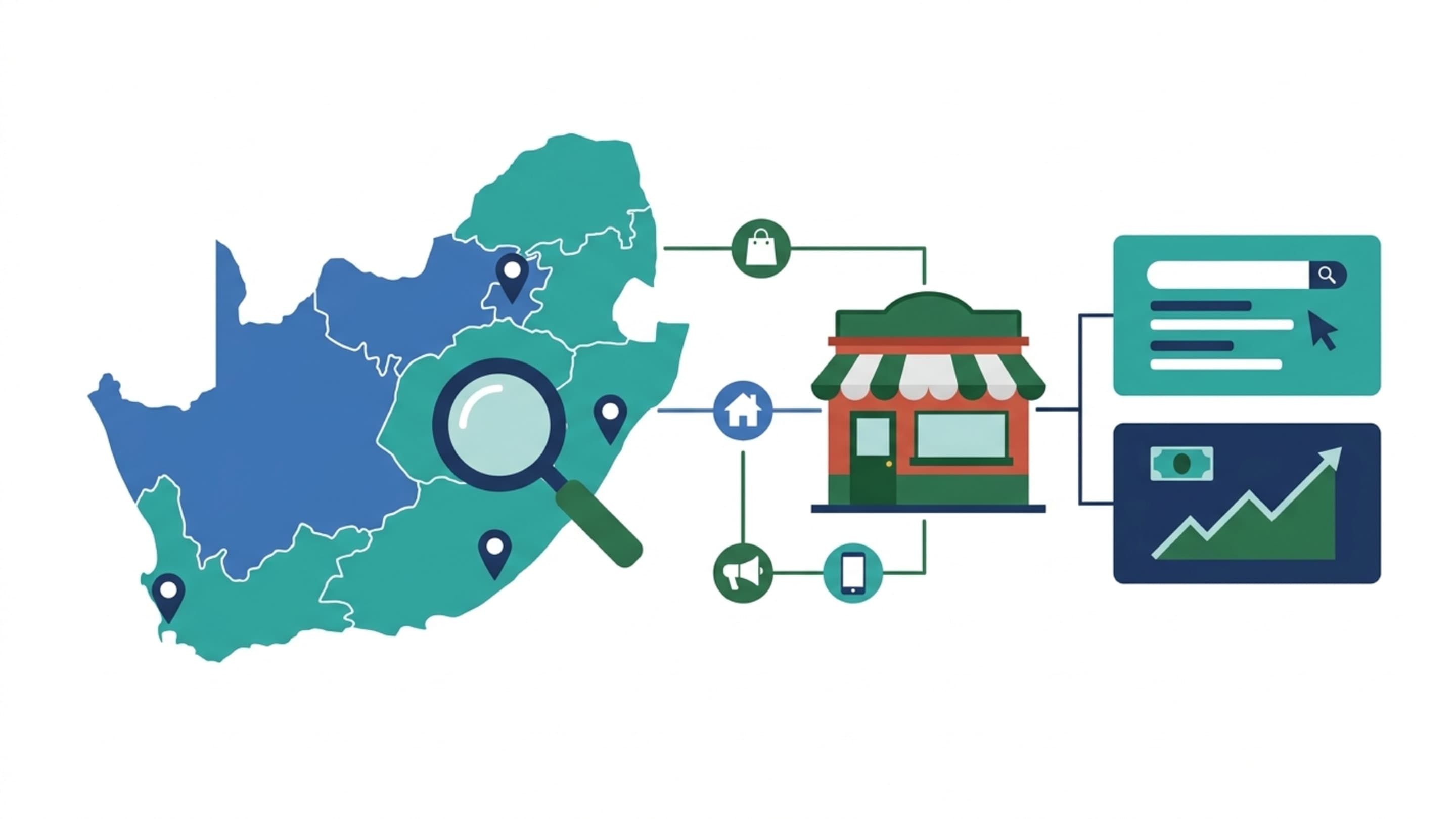
Context: A Randburg Emergency-Plumbing Team Paying for Calls It Never Wanted
Picture a small emergency-plumbing outfit serving Randburg, Ferndale and Fourways. It is 21:40 on a Tuesday, and a burst geyser in Bryanston floods a ceiling. The homeowner searches on a phone, taps a listing, and reaches voicemail. That job leaves the funnel before anyone quotes it. The owner is not short of leads - they are short of a system that separates a genuine call-out from a tyre-kicker, and that records what happened after the click. That is the problem a plumbing Local Services Ads (LSA) account is built to solve, and it is why this article focuses on lead quality, disputes and booked-job attribution rather than setup screenshots.
Plumber Is a Flagship LSA Category - and That Changes the Competition
Plumbing was among the earliest service verticals Google opened to its local service format, because the intent is unambiguous: a blocked drain at 22:00 is not a browsing habit. That matters for competition. You are not bidding against the whole Google Ads auction; you are appearing in a short list of verified plumbers, and ranking is not determined by who spends most. Review volume, responsiveness and proximity carry weight.
Availability caveat: LSA has historically been limited to the US, Canada and select markets. Confirm current country coverage on Google's official product page before planning any South African roll-out - do not assume a Randburg service area is live.
Availability First: Can a South African Plumber Actually Run LSA Right Now?
Do this check before anything else. If your service area is not supported, the honest pivot is Google Ads Local campaigns, Performance Max with location assets, and a disciplined Google Business Profile with call tracking - the same attribution discipline discussed later.
Verification Anatomy: What Google Screens Before It Shows Your Badge
The Google Guarantee is a screening gate, not a decoration
Before a profile earns the badge, Google typically requires licence verification, insurance confirmation and background screening of the tradespeople who will attend jobs. Expect document uploads, a lag between submission and approval, and re-screening on renewal. A missing certificate on one owner's name can stall the whole profile - collect documents before you build the campaign.
Pay-Per-Lead vs Pay-Per-Click: Why the Economics Feel Different for Plumbing
The cost model shifts the risk. Instead of paying for every click, you pay when a consumer contacts you. That is attractive for an emergency plumber with a short decision window, but it moves the analytical question from click quality to contact quality. If you want to benchmark those economics, see this breakdown of Google Local Services Ads costs.
| Criterion | Pay-per-lead (LSA) | Pay-per-click (Search) |
|---|---|---|
| When you pay | On a phone call or message | On every click |
| Wasted spend risk | Junk inquiries, mitigated by disputes | Unqualified clicks |
| Creative control | Minimal - profile and reviews | Ad copy, extensions, landing page |
| Best for | High-intent call-out work | Broad or quoted, scoped installs |
Ranking Without Bids: Responsiveness, Reviews and Proximity as Ranking Inputs
There is no bid lever in the classic sense. Answering quickly, earning steady reviews and being physically close to the searcher are the inputs you can influence. Proximity is fixed; responsiveness and reviews are operational habits.
The Google Guarantee Covers the Job, Not the Lead
The guarantee is a consumer-facing promise tied to completed work, subject to Google's terms and claim limits. It does not mean every inquiry is qualified - that distinction sits with your intake process.
Setting Service Areas and Sub-Services: Drain Cleaning Is Not Geyser Repair
Map each sub-service separately - blocked drains, geyser replacement, leak detection, general maintenance. A homeowner with a flooded ceiling and one pricing a tap washer are not the same lead, and separating services lets you track which produces booked work.
The Lead-Dispute Workflow: How to Reclaim Spend on Junk Plumbing Inquiries
Disputes are the plumbing LSA account's quality meter. When you flag an invalid lead - wrong service, out-of-area, a sales call or a duplicate - you are feeding back into both your spend and Google's matching signals. A rising dispute rate is a targeting problem surfacing through billing.
Tip: review the dispute dashboard weekly, not monthly. Patterns in disputed leads - a specific suburb, a sub-service, a time of day - point to where service-area or service-type settings need tightening.
Response Speed as a Plumbing Metric Worth Tracking Weekly
Speed affects ranking and conversion simultaneously. A missed 22:00 geyser call is a lost job and a ranking signal. Build a rota that covers after-hours, and measure answer rate, not just call volume.
From Lead to Job: Phone-Call Attribution and Server-Side Lead Capture
Platform-reported leads are inquiries, not jobs. Close the loop by pushing each lead into your CRM or job-management tool, recording outcome and value, and sending that back to your reporting. Server-side event capture on form submissions and call-tracking numbers keeps the record intact across consent boundaries.
How LSA Sits Beside Your Existing Google Ads and Business Profile
Run LSA for immediate, high-intent call-outs and paid search for broader or scoped work. Keep your Business Profile accurate - hours, service areas, review responses - because it underpins both.
Where LSA Is Not Live: The Local Services-Style Alternative Stack
For a South African plumber without LSA access: Google Ads Local campaigns and Performance Max with location assets, geo-targeted search, Business Profile optimisation and call tracking. The lead-dispute and response-speed disciplines still apply; you simply own the qualification step.
A Weekly Operating Rhythm for a Plumbing LSA Account
Treat the account as an operating process: review disputes and response logs on Monday, check service-area and sub-service settings mid-week, and reconcile leads to booked jobs on Friday.
Hypothetical Lead Economics: Modelling a Rand Budget Before You Commit
Hypothetical and illustrative only: model cost per lead, then a close rate and average job value. If a lead costs R450 and one in three becomes a R2,500 job, the model works; if a close rate falls to one in six, it doesn't. Set the break-even before you spend.